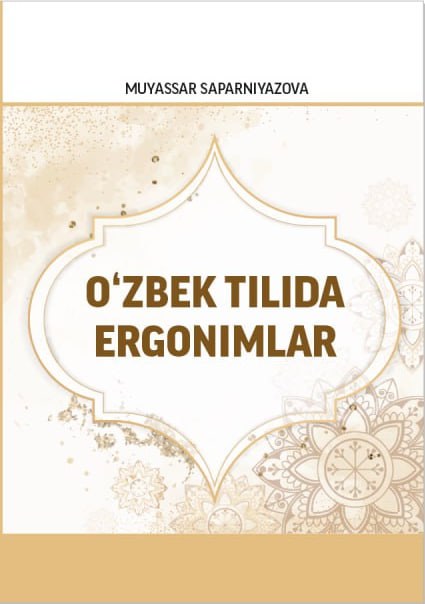
Ergonyms of the Uzbek Language
(from structural-semantic, pragmatic, and linguocultural perspectives)
The ergonymic macrosystem of the Uzbek language, which constitutes an integral part of onomastics, has for the first time been investigated in a monographic format. The study is based on more than 10,000 ergonyms drawn from the ergonymicon of the city of Tashkent. In certain cases, names from other regions were also used to analyze issues related to the territorial specificity of ergonyms. The monograph is devoted to the analysis of the structural-semantic, pragmatic, and linguocultural characteristics of ergonyms. It examines the ergonymic macrosystem of the Uzbek language and its constituent elements, as well as the interrelationship of ergonymy with such fields as naming and advertising; the principles of ergonym formation and the patterns of nomination; their structural and derivational features; informativeness, communicative effectiveness, persuasive impact, signification, and information representation in ergonym nomination; as well as the national and cultural characteristics of ergonyms.
Similar books
Other books in Philology

ALISHER NAVOIY HAYOTI VA IJODINI O‘QITISHGA INNOVATSION YONDASHUV
Iroda Ishonxanova
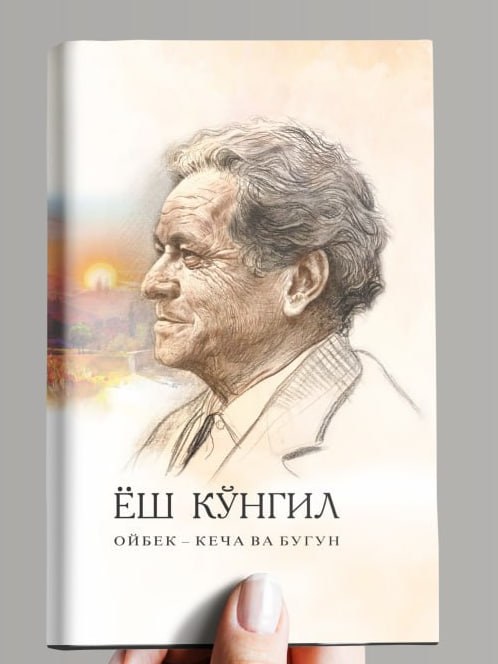
Yosh ko‘ngil. Oybek – kecha va bugun
Ulug‘bеk HAMDAMOV

FOLKLORSHUNOSLIKKA BAXSHIDA UMR
Munis Jo'rayeva

KENJA BOTIR
Shomirza Turdimov, Jamila Asqarova, Zebiniso Rasulova, Abdukamol Abdujalilov